
The Fibers Fund is proud to support the following entrepreneurs rebuilding the regenerative fiber economy:
-

Botanical Colors
Seattle-based Botanical Colors is the premier U.S. supplier of natural dyes to artisans, dye houses, apparel brands, and industrial clients. Founded in 2010 by Kathy Hattori, Botanical Colors also works with regional organic and regenerative farmers to source U.S.-grown dye plants.
-

Fibrevolution / Coast Fibers
Fibrevolution has a vision for the revival and establishment of regional fiber manufacturing hubs for bast fiber located in their home state of Oregon and in strategic growing regions around the U.S. In 2025, Fibrevolution took the next step in its flax mill goals and founded a new entity, Coast Fibers, with a fellow flax entrepreneur
-

Black Fiber Cohort
The Black Fiber Cohort (BFC) supports emerging / early stage regenerative fiber entrepreneurs and sustainable textile brands. The 2024 inaugural cohort included four entrepreneurs located in North Carolina, New Jersey, and New York.
-

Winona's Hemp
Rooted on the White Earth reservation, Winona’s Hemp and the Anishinaabe Agricultural Institute are working to restore foodways, rematriate seeds, and make a new economy; one based on local food, energy and fiber.
-

Seed2Shirt
Seed2Shirt is the first Black-woman-owned vertically integrated cotton company in the US. Based in North Carolina, Seed2Shirt sources and brokers cotton from its BLACKollective of U.S. cotton growers as well as African farmers, connecting ethical and sustainable cotton sourcing with land care, community empowerment, and storytelling.
-

Pergamena Parchments and Leathers
Pergamena is a boutique tannery located in New York’s Hudson Valley. They specialize in vegetable tanned leather and parchment, including a traceable leather program that connects U.S. cattle farmers with makers, designers and buyers looking for traceable leather with a reliable story.
-

Pennsylvania Flax Project
The PA Flax Project (PAFP) is a woman-led cooperative business whose mission is to reestablish the fiber flax industry in Pennsylvania and the greater Northeastern US region by initiating new organic production and processing capacity. Their grant from the Fibers Fund will support the purchase of seed in advance of the 2024 growing season, as well as administrative set up to unlock additional donor funds.
-

Cindy Castro New York
Cindy Castro New York is a Latina-owned sustainable clothing brand that is committed to a transparent supply chain, fair wages, and working with non-toxic certified fabrics that can biodegrade. Their grant supports sourcing more U.S.-grown fabrics and providing training and upskilling to their workforce.
-

Acadian Brown Cotton
By preserving heirloom Acadian Brown Cotton seeds and promoting regenerative agriculture, Louisiana-based Acadian Brown Cotton is working to create a traceable and sustainable textile supply chain with local farmers that benefits both the local economy and the environment. Their grant supports the purchase of a micro-mill that is specially designed to spin the shorter brown cotton fibers.
-

Native American Fiber Program
The purpose of the Native American Fiber Program is to support communities and practitioners who still maintain place-based fiber practices, as well as support the production of fiber in tribal communities utilizing regenerative agriculture practices. Their grant supports a fiber hemp feasibility study by the Fort Peck Assiniboine and Sioux Tribes in northeast Montana.
-

Range Revolution
Range Revolution is a dynamic woman rancher-led producer of leather goods sourced from regenerative American ranches. The Fibers Fund recently welcomed Oregon-based Range Revolution as its second loan recipient with a flexible loan to fuel its expanding sales and visibility. Learn more on our updates page.
-
High Hog Farm
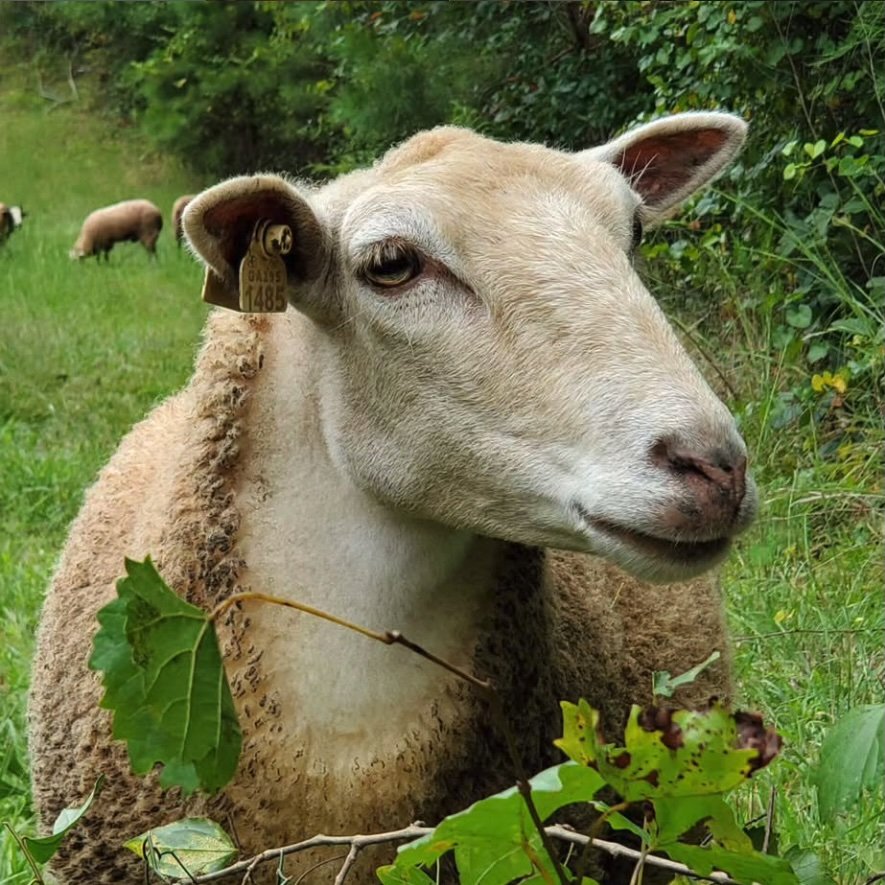
Founded by Keisha and Warren Cameron, High Hog Farm is a Georgia-based, Black family-owned and -operated fiber and dye farm rooted in regenerative agriculture, silvopasture, and agroecological practices. The Fibers Fund grant supports the development of their Black Agrarian Fiber Center to expand fiber processing and build a sustainable regional supply network.
-

Turquoise Indigo Fibers
Led by Ira Vandever, New Mexico-based Turquoise Indigo Fibers works to revitalize Churro wool from Navajo shepherding families and blend this with fiber hemp also produced by Indigenous growers. The Fibers Fund grant will support purchase of and training on new spinning and washing equipment to allow increased production of Churro-hemp yarn and blankets, in turn enabling expansion of grazing acreage.
-
Vermont Natural Tannery
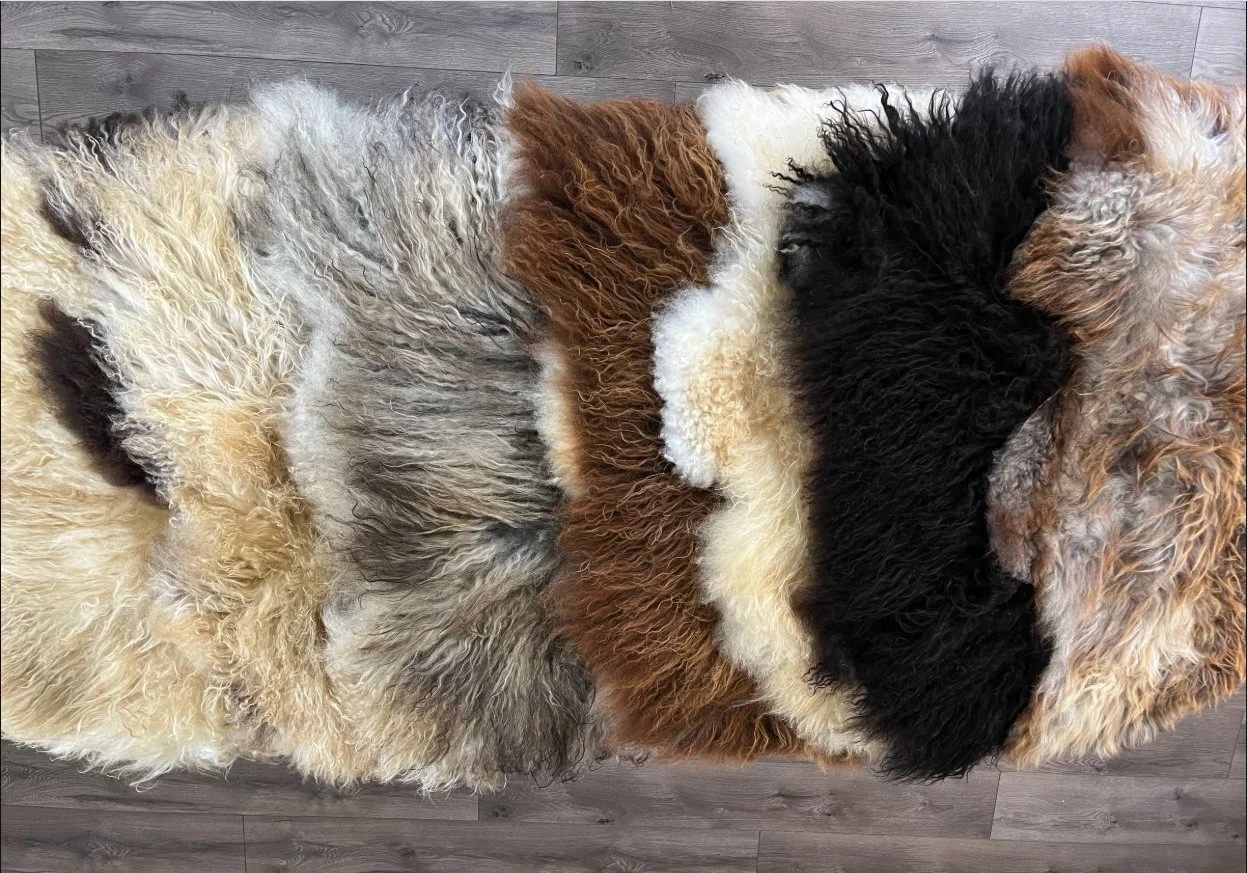
Vermont Natural Tannery is a family-owned, environmentally sound tannery that specializes in tanning sheepskins. They work with over 300 regional and national small family farms to provide an added revenue line for sheep farmers and rebuild a sustainable and profitable working landscape. Their Fibers Fund grant will support completion of additional tanning vats, helping them increase capacity.
-
Renaissance Fiber
Renaissance Fiber is a North Carolina fiber hemp processing company. Using proprietary technology, Renaissance Fiber purchases raw, domestic hemp fiber and processes it into forms suitable for textile production on existing U.S. manufacturing equipment. Through aligned financing, Fibers Fund and Invest Appalachia will enable Renaissance Fiber to take the critical next step from its R&D phase to full operation of its initial fiber hemp processing line.